How Dealerships Prepare Used Cars for Sale | Lebanon Auto
Table of Contents
What Does a Dealership Really Do to a Used Car Before Selling It?
From Ken's Desk
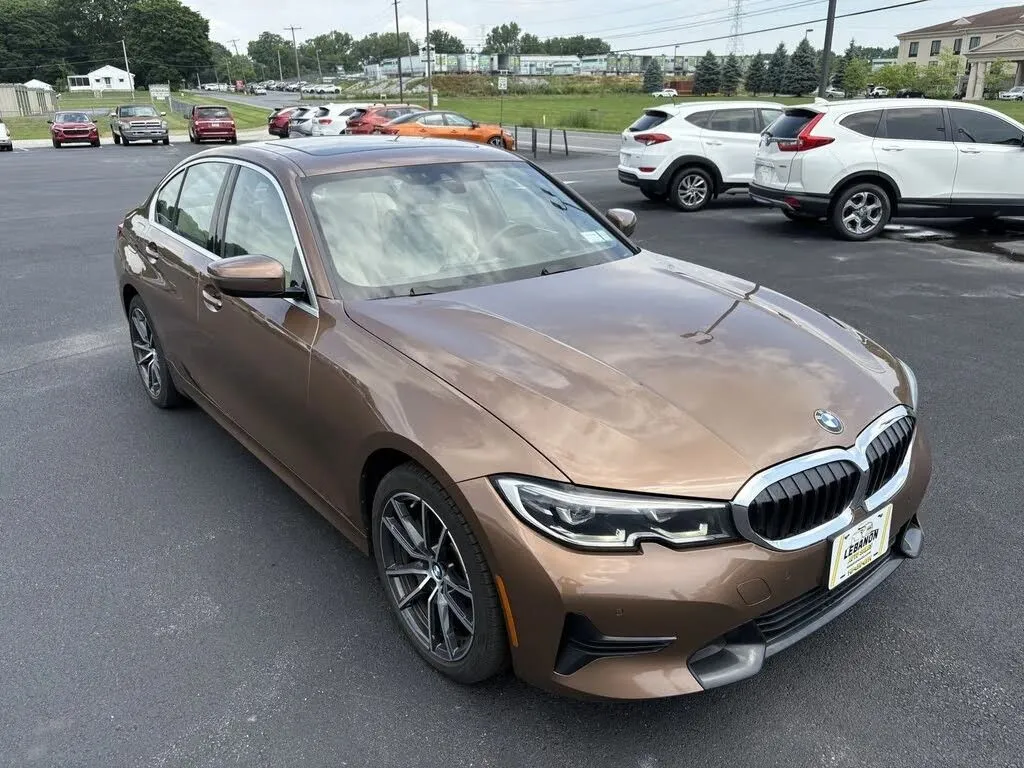
When you walk onto a dealership lot and see a clean, attractive used vehicle, it's easy to assume that's pretty much how the dealership purchased it.
Sometimes, that might be close to the truth.
But quite often, there's a considerable amount of work that takes place between the time a dealership acquires a vehicle and the time it's ready to be offered for sale.
And that work can make a significant difference in the vehicle you're purchasing.
After decades of buying, selling, and servicing used vehicles, I can tell you that what happens before a vehicle reaches the sales lot can be just as important as what you see when you get there.
Let's take a look behind the scenes.
It Starts Before We Even Buy the Vehicle
One of the most important parts of preparing a used vehicle for sale actually happens before we own it.
That's the evaluation process.
When considering a vehicle for purchase, we're not simply looking at its year, mileage, equipment, and appearance.
We're also trying to determine its mechanical condition, previous care, accident history, and what expenses might be necessary to prepare it for the next owner.
Some vehicles look attractive initially but become considerably less appealing once you look more closely.
Perhaps they have mechanical problems, questionable repairs, excessive wear, or a history that raises concerns.
Sometimes the potential expense of preparing a vehicle properly simply doesn't make financial sense.
And sometimes, we decide it's a vehicle we don't want to own at any price that would make sense for our business.
The Mechanical Inspection
Once a vehicle is acquired, evaluating its mechanical condition is an essential part of determining what it needs before being offered for sale.
Depending on the vehicle, that evaluation may involve checking the engine, transmission, brakes, steering, suspension, tires, fluid condition, and other important systems.
A road test can also reveal concerns that aren't always obvious when a vehicle is sitting in a service bay.
Unusual noises, vibrations, shifting problems, steering concerns, and other driving characteristics may indicate issues requiring further attention.
Modern vehicles also contain numerous electronic systems, so diagnostic testing may be necessary to investigate warning lights or stored trouble codes.
But here's something worth understanding.
An inspection doesn't guarantee that a vehicle will never develop a problem.
Even a carefully evaluated vehicle can experience an unexpected mechanical failure.
The purpose of an inspection is to identify existing concerns and help determine what work should be performed before the vehicle is sold.
Reconditioning: Where the Real Work Begins
In the automotive business, we often use the term reconditioning.
It's simply the process of preparing a used vehicle for resale.
That can involve everything from minor cosmetic improvements to substantial mechanical repairs.
For example, a vehicle might need new tires, brake components, fluid services, suspension repairs, or attention to an air conditioning system.
Another vehicle may require very little mechanical work.
And occasionally, a vehicle that initially appeared to be a good purchase can reveal problems that are considerably more expensive than anticipated.
This is one reason buying used vehicles requires experience.
The purchase price is only part of what a dealership ultimately invests in a vehicle.
The work required after acquisition can have a significant effect on its total cost.
Tires and Brakes: Two Things Buyers Should Ask About
Let's consider two of the most common wear items.
Tires and brakes.
A vehicle can look beautiful in photographs while having tires that are approaching replacement.
Likewise, brakes may function adequately during a short test drive but have limited useful life remaining.
Replacing four quality tires can represent a significant expense.
Brake repairs can also add up, particularly when rotors, calipers, or other components require attention.
When comparing two similar used vehicles, these differences matter.
One vehicle may cost a little more but have recently received tires and brake work.
Another may have a lower asking price but require those expenses in the near future.
The lowest purchase price doesn't always translate into the lowest cost of ownership.
Maintenance and Mechanical Repairs
Not every vehicle arrives with a complete maintenance history.
And even when service records are available, they don't necessarily tell us everything about the vehicle's present condition.
Depending on the manufacturer's recommendations and the vehicle's condition, maintenance or repairs may be appropriate before resale.
This might involve fluids, filters, spark plugs, belts, hoses, or other components.
It's also important to distinguish between routine maintenance and actual mechanical repairs.
Changing engine oil is one thing.
Diagnosing and correcting a transmission problem is something entirely different.
Both may be important, but the costs and complexity can vary tremendously.
At Lebanon Auto Sales, operating our own service facility gives us firsthand experience with these issues.
We understand that repairing vehicles properly requires skilled technicians, appropriate equipment, quality parts, and time.
And those costs are real.
Cosmetic Preparation Matters Too
Mechanical condition is extremely important, but appearance matters as well.
Most buyers understandably want a vehicle that looks clean and well cared for.
Preparing a vehicle for sale may involve interior cleaning, exterior detailing, paint correction, minor cosmetic repairs, or addressing normal wear.
Sometimes a vehicle needs only a thorough cleaning.
Other times, significant effort is required to improve its appearance.
But I want to emphasize something.
A beautifully detailed vehicle isn't necessarily a mechanically sound vehicle.
And a vehicle with a few minor cosmetic imperfections isn't automatically a bad purchase.
Appearance is one part of the overall evaluation—not a substitute for mechanical condition.
Why Reconditioning Costs Can Vary So Much
Here's an example.
Imagine a dealership purchases two similar SUVs.
Both are the same year and model, with comparable mileage.
The first needs little more than routine servicing and detailing.
The second needs four tires, brake work, a suspension repair, and additional maintenance.
Those vehicles may have looked nearly identical when they were purchased.
But the cost of preparing them for sale could be thousands of dollars apart.
This helps explain why dealerships don't always have the same amount invested in similar vehicles.
And it's one reason comparing used vehicles solely by their advertised prices can be misleading.
Of course, a dealership spending more money on a vehicle doesn't automatically make it a better vehicle.
What matters is whether the necessary work was identified and completed properly.
Does Every Dealership Prepare Vehicles the Same Way?
No.
And I think consumers deserve to understand that.
Different dealerships have different inspection processes, reconditioning standards, service capabilities, and business models.
Some perform extensive mechanical evaluations and repairs.
Others may do less.
And even within the same dealership, the work required can vary considerably from one vehicle to another.
That's why I encourage buyers to ask questions rather than make assumptions.
Find out whether the vehicle was inspected.
Ask what maintenance or repairs were performed.
If tires or brakes are important to you, ask about their condition.
And if the vehicle is being sold with warranty coverage or a service contract, understand exactly what protection is included.
A reputable dealership should be comfortable discussing what it knows about the vehicle and how it was prepared for sale.
What About Pennsylvania State Inspection?
Here in Pennsylvania, vehicle safety and emissions inspection requirements are another important consideration.
But buyers should understand that a Pennsylvania state inspection isn't the same thing as a comprehensive mechanical evaluation.
A vehicle may meet applicable state inspection requirements and still have components that are worn, aging, or likely to require maintenance in the future.
That's why I believe a buyer should look beyond the inspection sticker.
Ask about the vehicle's overall condition and what work has been completed.
A current inspection is important, but it shouldn't be the only factor in your purchasing decision.
My Advice: Ask What Happened Before the Vehicle Reached the Lot
When you're considering a used vehicle, don't hesitate to ask a few simple questions.
What was inspected?
Were any mechanical repairs performed?
Have the tires or brakes been replaced?
Was any maintenance completed?
Are there known issues that haven't been addressed?
And what, if any, warranty protection comes with the vehicle?
You may not receive a detailed history of every nut and bolt.
But these questions can help you better understand what you're purchasing.
They can also help you compare vehicles that appear similar but may have very different conditions and maintenance needs.
The Bottom Line
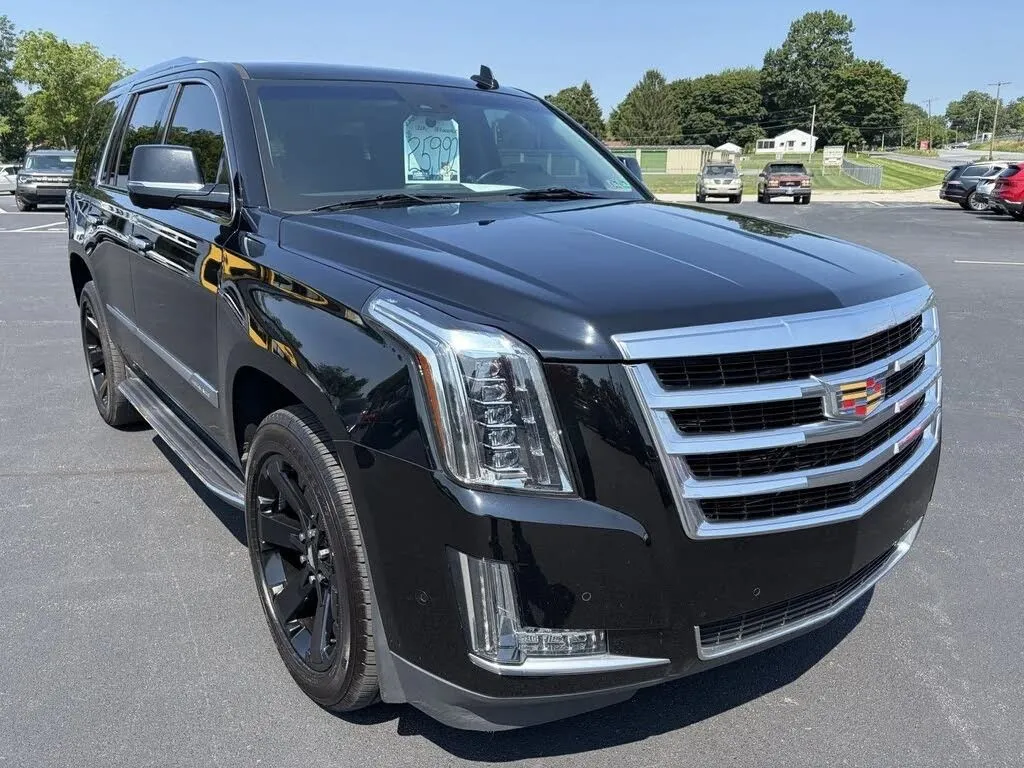
When you see a used vehicle sitting on a dealership lot, remember that its story didn't begin when the dealership put a price on the windshield.
It had a previous owner—or perhaps several.
It has a maintenance history, a driving history, and a mechanical condition that's unique to that vehicle.
And the decisions made when selecting, inspecting, and preparing it for resale can make a meaningful difference.
At Lebanon Auto Sales, our experience in both vehicle sales and automotive service helps shape how we evaluate used vehicles.
We know that what happens under the hood matters just as much as how a vehicle looks sitting on the lot.
Because buying a used vehicle isn't simply about finding one that looks good today. It's about making an informed decision about the vehicle you'll depend on tomorrow.
And that's what helping Central Pennsylvania drivers make smarter automotive decisions is all about.
Standing Behind the Vehicles We Sell
There's another important part of preparing a used vehicle for sale: what happens after the customer drives it home.
At Lebanon Auto Sales, we include a 3-month/3,000-mile full-coverage mechanical warranty with every vehicle we sell, subject to the terms of the warranty.
That's an important distinction from a limited powertrain warranty, which generally focuses on specified engine, transmission, and drivetrain components.
Our approach is to provide customers with broader mechanical protection during those first months of ownership, rather than limiting coverage to powertrain components alone.
Why do we do that?
Because we believe standing behind a vehicle shouldn't end when the paperwork is signed.
No inspection can guarantee that a used vehicle will never experience a mechanical problem. Even a carefully selected and properly maintained vehicle can develop an unexpected issue.
But we believe customers deserve meaningful protection and the confidence that comes from knowing their dealership stands behind what it sells.
For us, providing warranty protection isn't simply a selling point. It's part of our commitment to building long-term customer relationships.
About the Author
Ken Ebersole is President of Lebanon Auto Sales and has spent decades in the automotive business buying, selling, and servicing used vehicles. Through From Ken's Desk, he shares practical advice designed to help Central Pennsylvania drivers make smarter automotive decisions.